NORTHERN PAKISTANA world apart. A journey that’s yours.

Let’s talk travel

YOUR NEXT CHAPTER

Find your way.

Make this journey yours

Your places. Your dates. Your pace.

Hunza Valley
Gilgit-Baltistan36.3167° N, 74.65° E

Hunza Valley

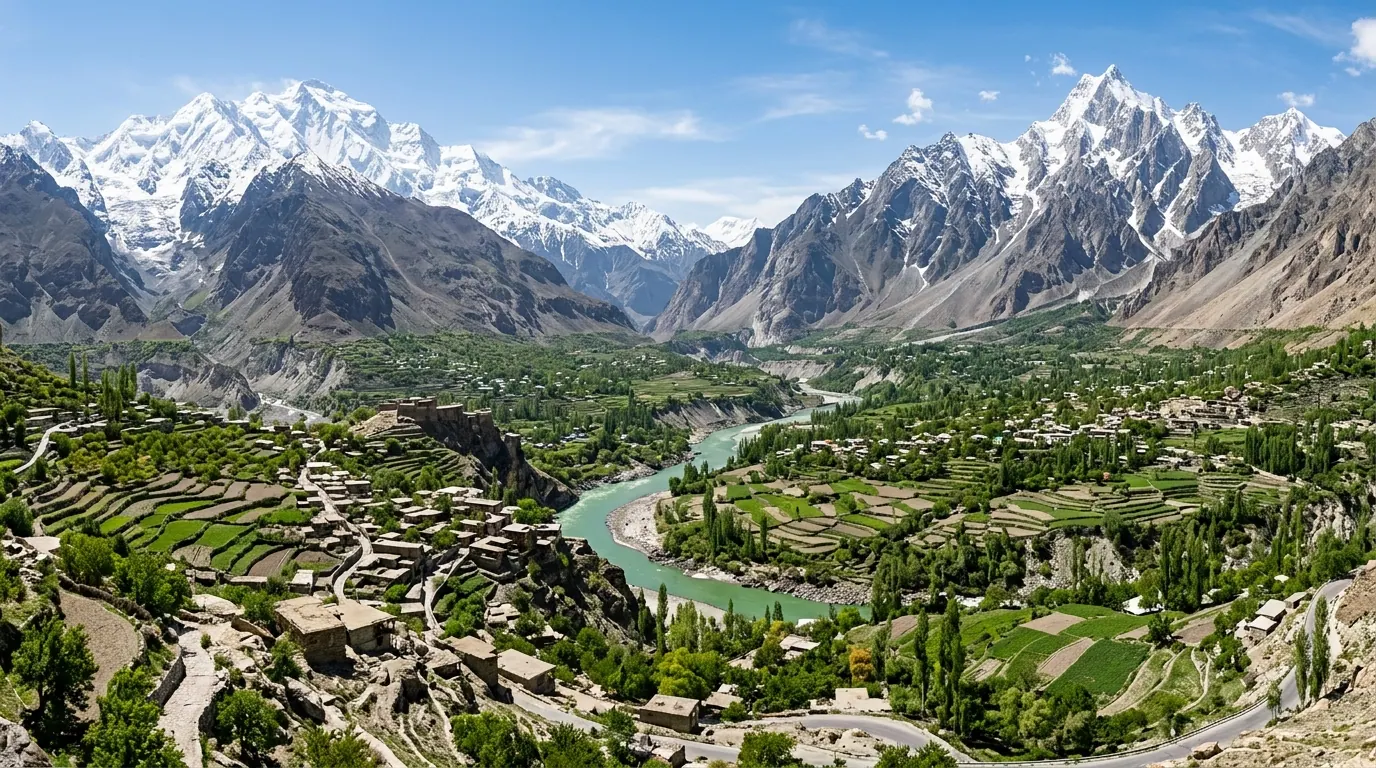
A historic high-altitude valley renowned for ancient terraced orchards, fortified villages, and panoramic views of Rakaposhi and Ultar Sar.

Overview & Cultural Context

Hunza is a storied alpine valley situated along the historic Silk Route in northern Gilgit-Baltistan. Flanked by majestic 7,000-metre peaks including Rakaposhi (7,788m), Diran, and Ultar Sar, the valley has preserved distinct cultural traditions, Burushaski and Wakhi linguistic heritage, and ancestral water-channel irrigation systems. Hunza offers a balanced journey connecting living heritage in Karimabad and Ganish with dramatic high-altitude landscapes up towards Gojal.

Notable Sites

Places of Interest & Heritage

Important historical monuments, natural landmarks, and cultural settlements in Hunza Valley.

Altit Fort

Altit Fort

Older than Baltit Fort, Altit Fort stands atop a sheer 300-metre cliff face plunging into the Hunza River gorge. Its ancient Shikari watchtower once guarded the valley entrance. Surrounding the fort is Altit Khun, a revitalized historic village with stone paved alleys and heritage fruit orchards.

Attabad Lake

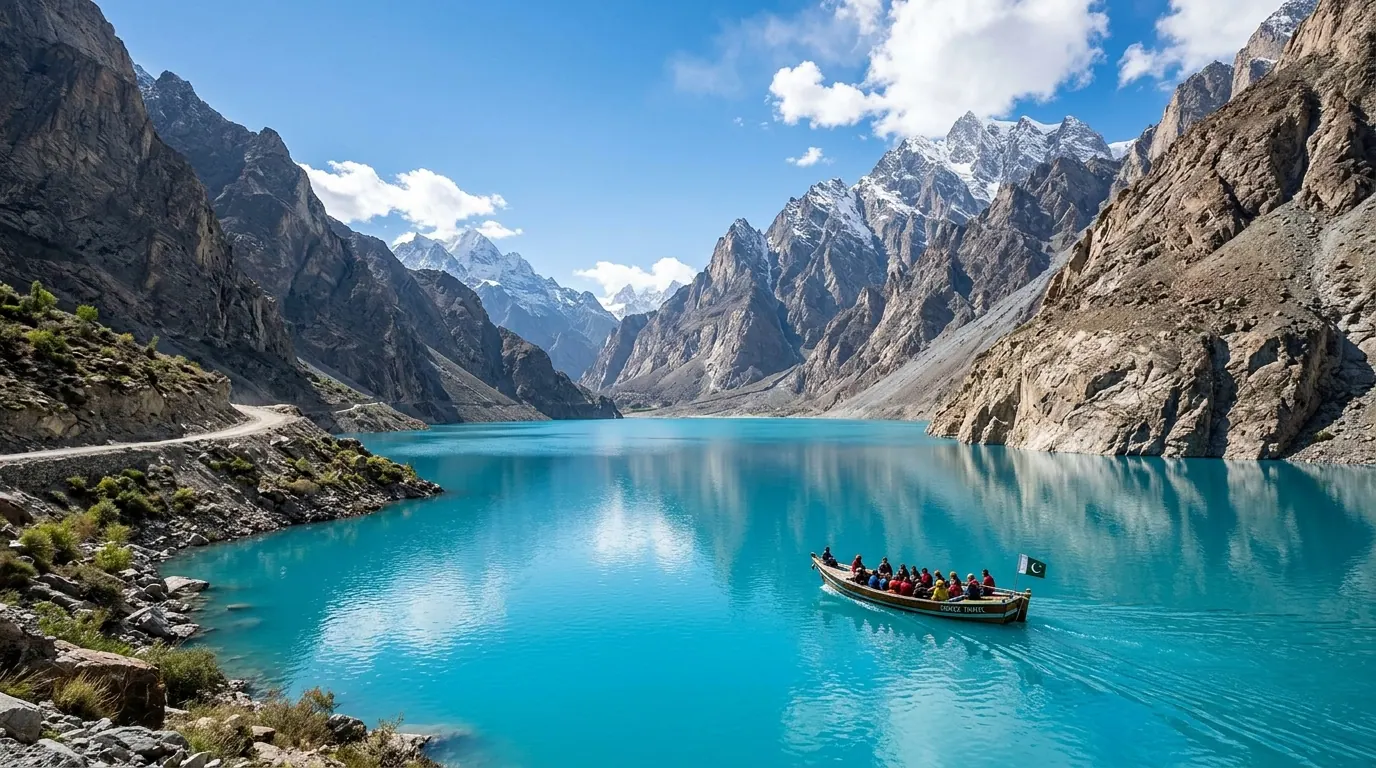
Attabad Lake

Created after a massive landslide in 2010 blocked the Hunza River, Attabad Lake is renowned for its vivid crystalline blue water set against sheer granite walls. Today it serves as a scenic boat transit point and landmark along the newly realigned Karakoram Highway tunnels.

Baltit Fort

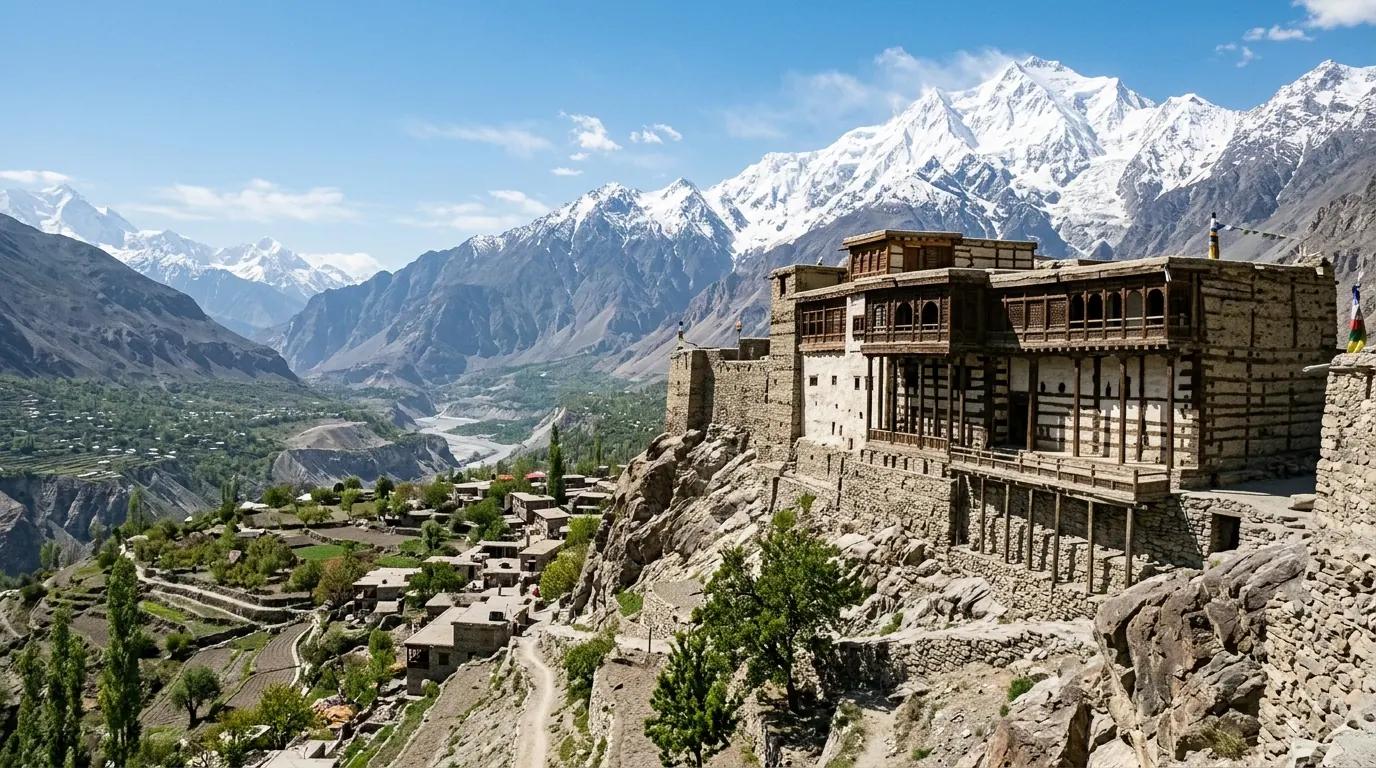
Baltit Fort

Perched dramatically above Karimabad bazaar, Baltit Fort served as the fortified residence of the Mirs of Hunza for over seven centuries. Built on Tibetan-influenced timber and stone architectural traditions, it was meticulously restored by the Aga Khan Trust for Culture (AKTC) and holds an official spot on Pakistan's UNESCO World Heritage Tentative List.

Passu Cones & Passu Glacier

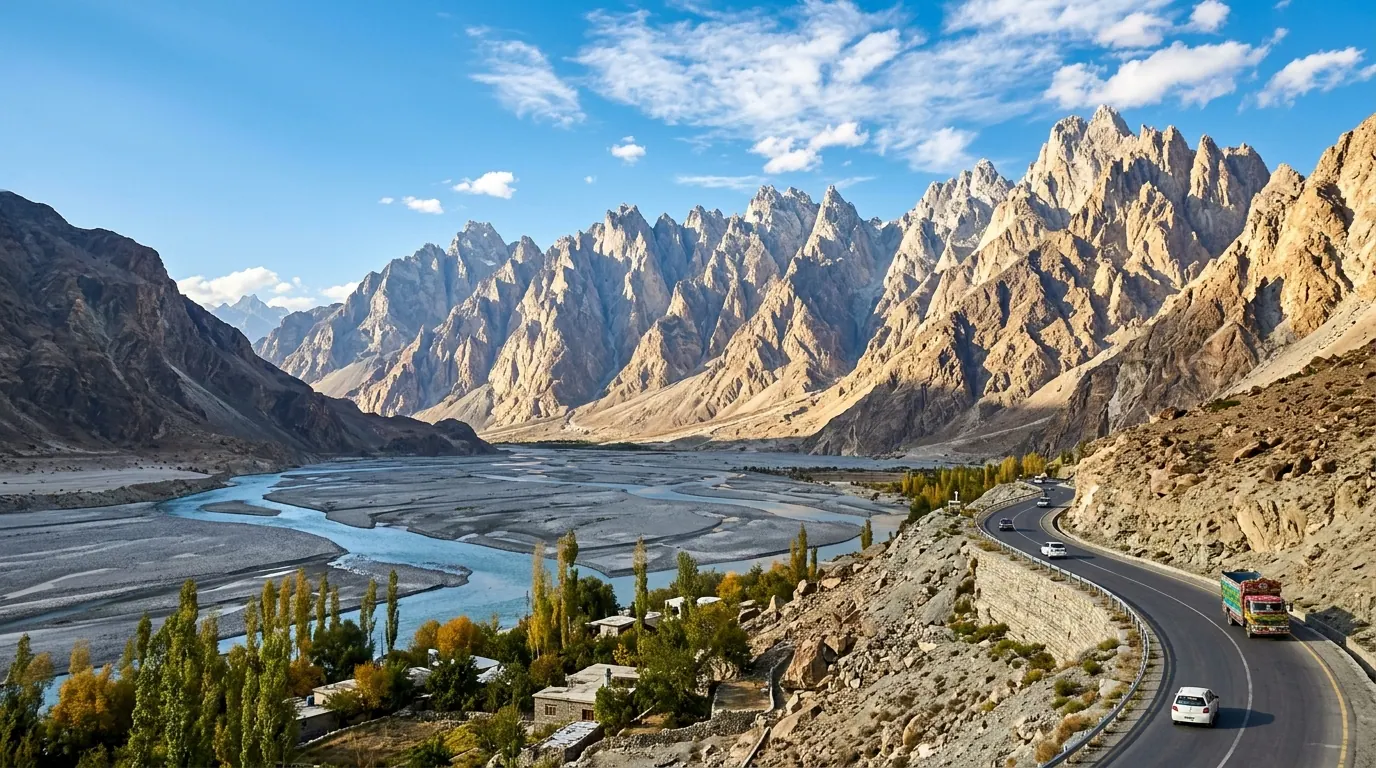
Passu Cones & Passu Glacier

Passu Cathedral (Tupopdan) rises as a jagged, serrated mountain ridge above the wide braided riverbed of the Shisper and Hunza rivers. Passu village is also the gateway to the Passu Glacier, the Borith bird sanctuary lake, and traditional suspension footbridges.

Seasonal Guidance

Best Time to Visit

April to October offers accessible mountain roads and distinct seasonal character.

Spring Blossom

Late March – April

Apricot, cherry, and almond trees blossom across terraced stone orchards while snowy peaks provide a brilliant backdrop. Cool temperatures and fewer crowds.

Summer High Season

May – August

Warm sunny days, green terraced fields, and open mountain passes for high-altitude trekking and village excursions. Ideal for families and outdoor explorers.

Golden Autumn

Late September – October

Poplar and fruit trees transform into striking gold, copper, and amber hues. Crisp clear mountain skies offer some of the year's sharpest photography conditions.

Winter Quiet

November – February

Cold temperatures and snow in the upper valleys. A tranquil time for cultural immersion in lower settlements, but some mountain passes and hotels operate on limited schedules.

Getting There

Transport & Road Access

Accessible via the paved Karakoram Highway (N-35) from Gilgit (approx. 2 to 3 hours drive under normal conditions). Flights connect Islamabad to Gilgit Airport subject to clear weather. Mountain roads require defensive driving, and itineraries should include buffer time for seasonal maintenance.

Note: Mountain transit times are estimated under normal driving conditions. Karakoram road conditions fluctuate with weather.

Practical Travel Advice & Local Etiquette

  • Respect local conservative customs: dress modestly when walking through residential villages and religious sites.
  • Cash is strongly advised: ATM availability is concentrated in Aliabad and Karimabad, and connectivity can be intermittent.
  • Stay hydrated and allow time to acclimatise to the altitude (Karimabad sits at approximately 2,400 metres).
  • Support local community cooperatives, fruit drying associations, and local village guides.
Safety, Altitude & Mountain Environment Notice

Northern Pakistan mountain regions experience variable weather. Karakoram Highway travel can encounter occasional temporary delays from rockfall or landslide clearing. Travel insurance covering mountain areas is recommended.

Plan Your Visit

Visit Hunza Valley

Tell us your preferred travel season, duration, and group style. We will prepare a feasible, custom itinerary and quotation.

No automated charges or fake availability
Manually reviewed by local Gilgit-Baltistan team
Flexible adjustments before any confirmation

Trips visiting Hunza Valley

YOUR IDEAS. A LITTLE AI. A REAL ADVENTURE.

What does your kind of trip look like?

AI trip finder
Try a little inspiration

Describe the feeling, the pace, the places. We’ll help you narrow it down.

2 trips to get you out there

Hunza Valley Highlights & Ancient FortsCultural & Heritage

Hunza Valley / Nagar Valley

Hunza Valley Highlights & Ancient Forts

7 daysGentle
2 destinations6 nights

A classic 7-day heritage and mountain journey exploring Karimabad, Baltit Fort, Altit Khun, Attabad Lake, and views of Rakaposhi.

Best season April to October (Spring Blossom & Autumn Foliage recommended)

Dedicated 4x4 private vehicle with experienced mountain driver throughout6 nights accommodation in comfort-tier local boutique mountain hotels
Indicative from£1,350
Book this trip Explore this trip